I’ve been a long-time user of Quicken Deluxe for Windows and, until recently, had very few issues downloading transactions from Fidelity.
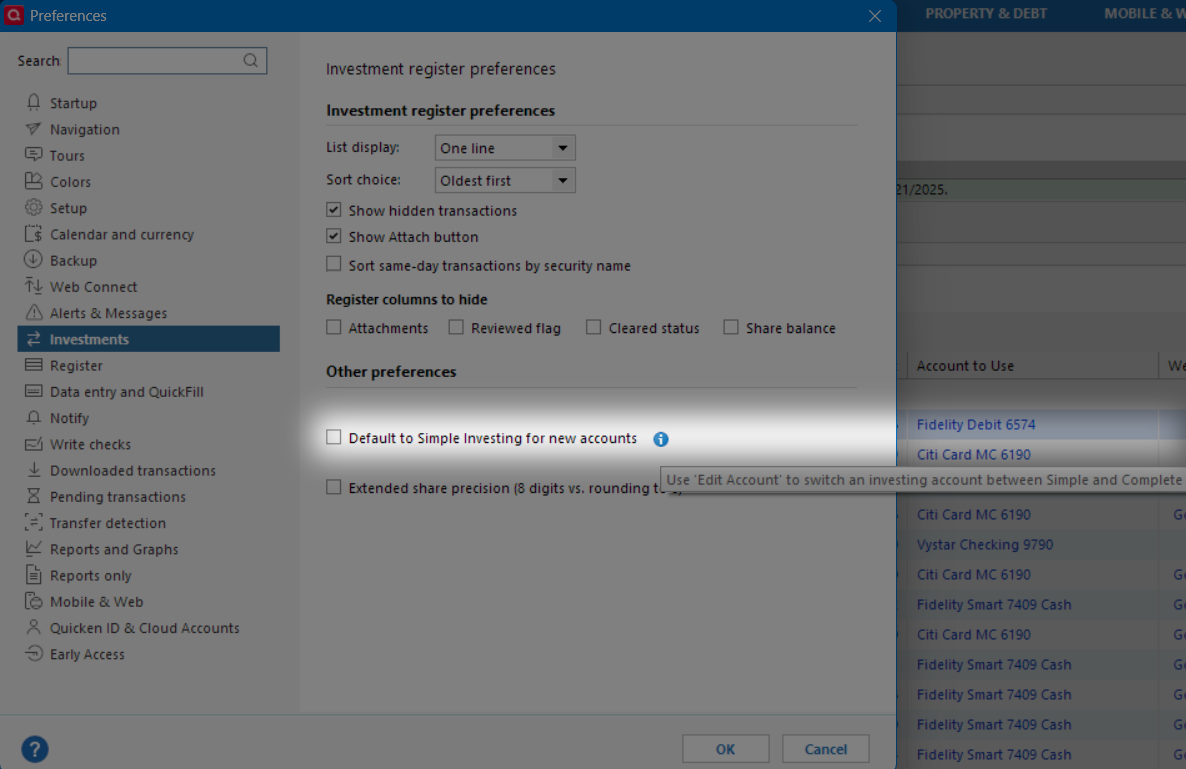
Following a recent computer failure in which I lost key files, I had to reinstall Quicken from scratch. When I re-added my Fidelity accounts, I was surprised to find that only “Simple” investment tracking was available.
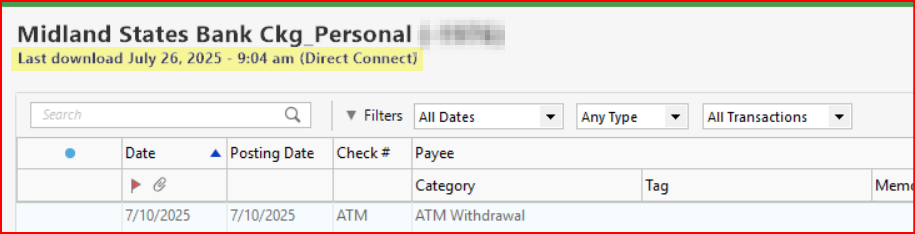
This limitation did not apply to my Schwab accounts, where complete tracking was available and transactions downloaded without issue.
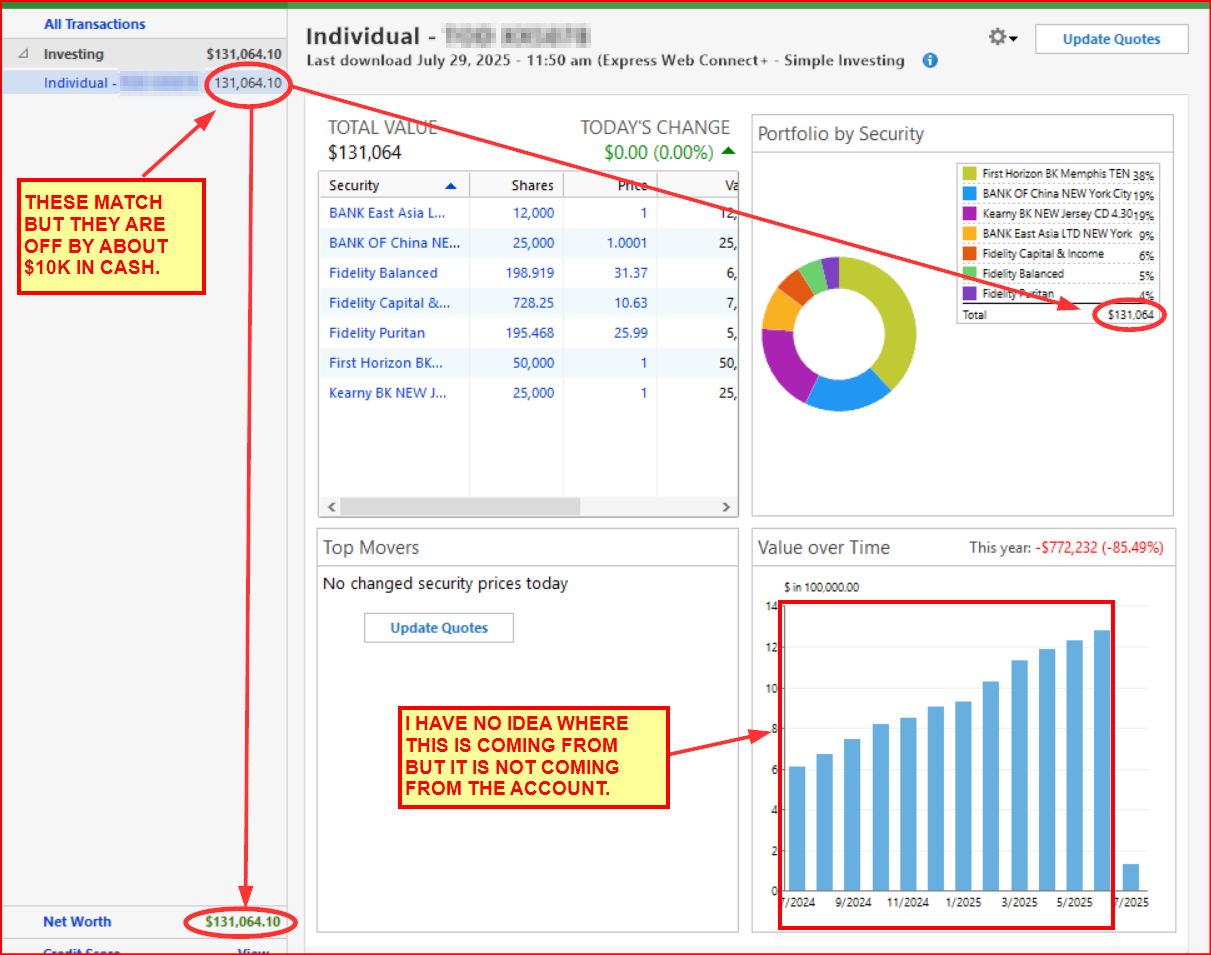
I initially assumed I could switch to “Complete” tracking later, as it’s critical to how I manage my investments. However, even “Simple” tracking didn’t work—my Fidelity accounts displayed zero balances and no transaction history. Worse still, when I tried to edit the accounts, both tracking options were grayed out and unavailable.
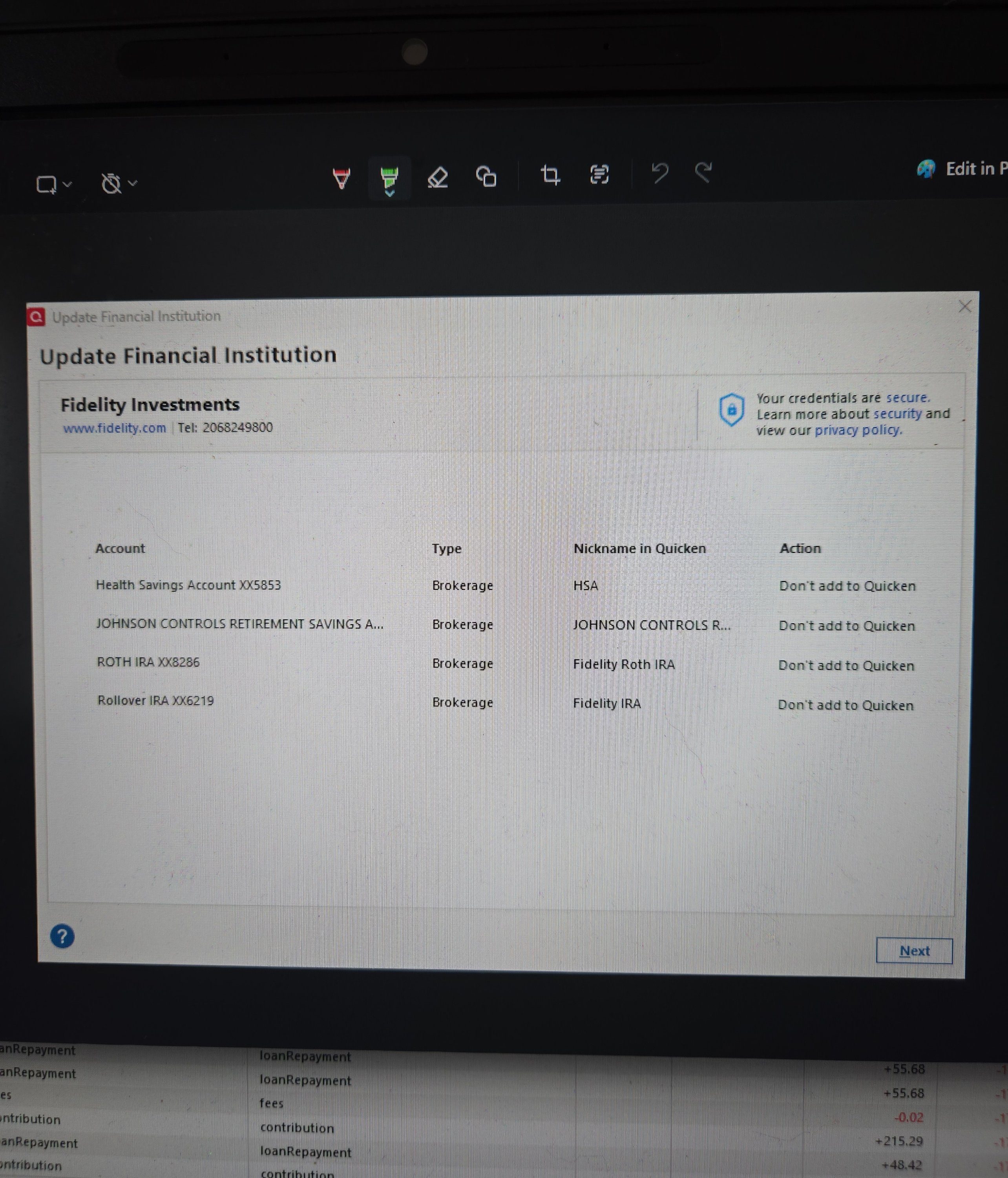
I later learned that Quicken has changed the way it connects to Fidelity, apparently discontinuing Direct Connect. What’s baffling is that I had been using Direct Connect without problems just days earlier and was never notified that such a significant change was coming.
When I contacted Quicken support, the representative eventually gave up and told me to call Fidelity. But this isn’t a Fidelity issue—it’s Quicken’s responsibility to ensure its software functions with supported institutions. Customers are paying for both a product and a service, and when key features are limited—or, as in my case, completely removed—the value of what we’ve paid for is significantly diminished.
Fidelity represents a large portion of my investment portfolio. While I could have worked with Simple tracking if necessary, having no access to account data is unacceptable. After years of relying on Quicken, I’m now forced to abandon it altogether.
This situation is incredibly frustrating. Quicken must be more transparent about changes like this and take ownership of resolving them.